


September 14, 2025
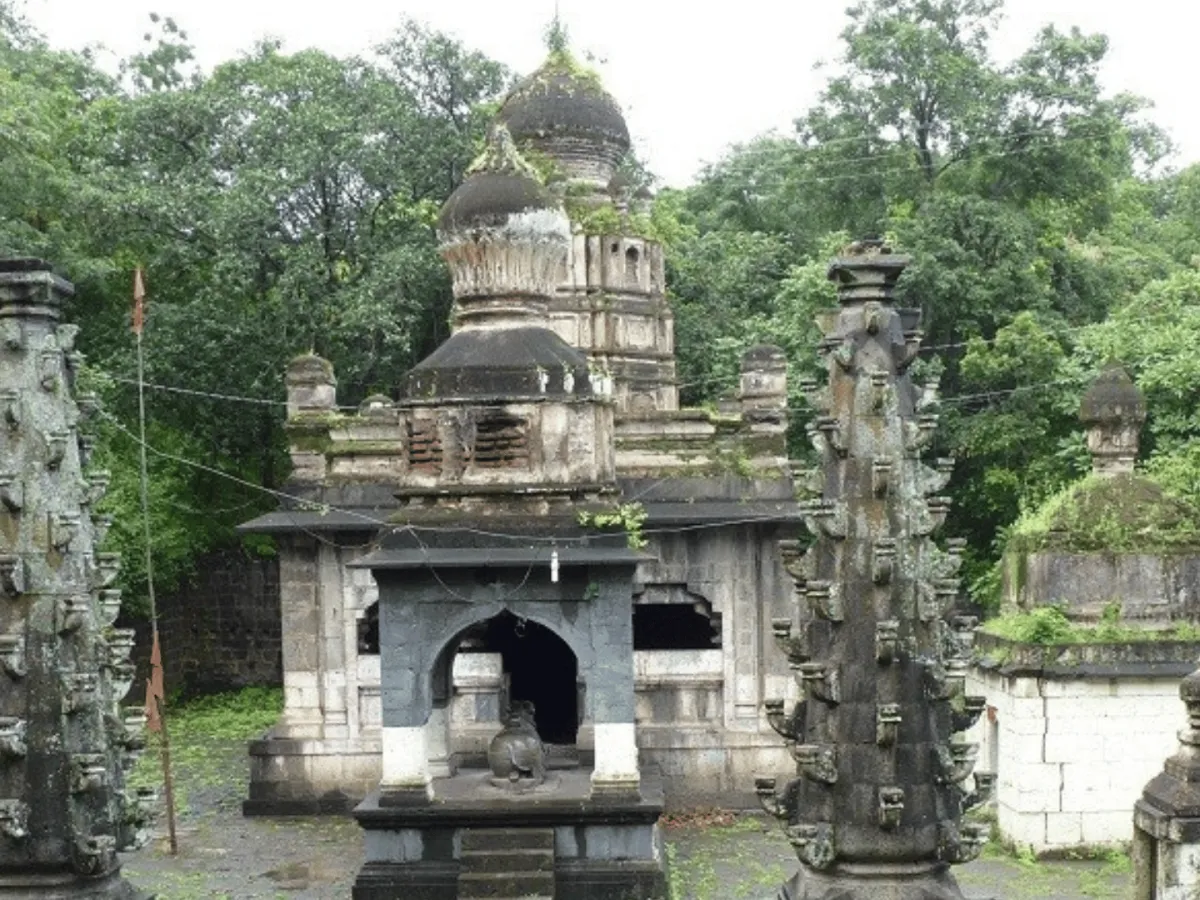
Table of Contents
Introduction
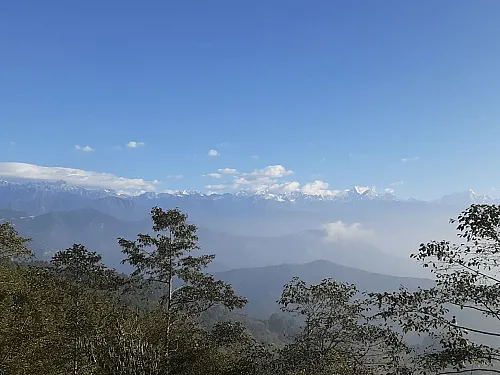
High above the terraced hills of Kushma, Parbat, rests a sanctuary revered for centuries Patheshwar Temple. Encircled by the rolling ridges of the Himalayas and the rushing waters of the Kali Gandaki, this shrine stands as a beacon of faith, mysticism, and cultural identity. Devotees and wanderers alike tread its ancient paths, seeking both divine blessings and serene reprieve from the clamor of everyday life.
Historical Significance
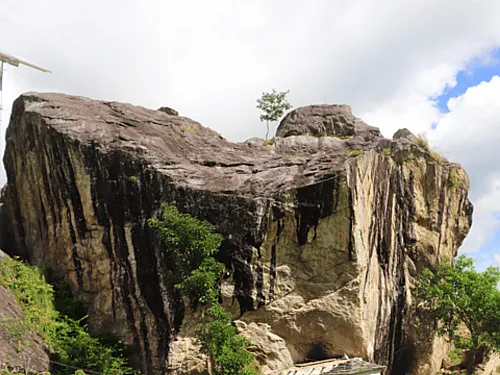
The origins of Patheshwar Temple are intertwined with folklore and devotion. Oral traditions suggest that sages and seekers discovered the sacred cave-like structure where the deity resided. Over time, local monarchs and villagers fortified the site, creating a permanent temple dedicated to Lord Shiva—worshiped here in the form of Patheshwar Mahadev. This enduring edifice mirrors the evolution of Nepalese spirituality, where natural landscapes merge seamlessly with sacred architecture.
Religious Importance
Patheshwar Temple is one of the most venerated Hindu pilgrimage destinations in the Gandaki region. Devotees arrive to offer prayers, perform rituals, and seek divine intervention for prosperity and protection. The temple becomes especially animated during Maha Shivaratri, when thousands gather to light oil lamps, chant mantras, and fast in reverence to Lord Shiva. The reverberation of bells, the scent of incense, and the rhythmic recitation of hymns transform the temple courtyard into a spiritual spectacle.
Architectural and Natural Setting
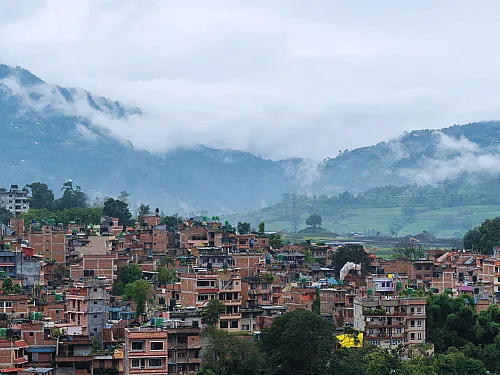
What distinguishes Patheshwar Temple is its sublime setting. Perched on a forested hillside, the temple commands sweeping views of Kushma Bazaar and the verdant valleys below. The architecture is modest yet profound, constructed with stone and wood that echo the traditional artistry of the mid-hills. Intricate carvings and the presence of sacred symbols lend an aura of antiquity, while the surrounding pine and rhododendron trees cloak the temple in a tranquil embrace.
Cultural Practices and Festivals
Local communities hold the temple at the heart of their cultural expressions. Annual fairs and festivals draw not only pilgrims but also artisans, musicians, and traders. Offerings of flowers, rice, and clarified butter punctuate the rituals, while traditional instruments like madal and damaha create a rhythmic backdrop. Such gatherings transcend religious practice, reinforcing bonds of kinship and preserving ancestral customs.
Tourism and Spiritual Journey
In recent years, Patheshwar Temple has emerged as both a spiritual retreat and a tourist attraction. Visitors are captivated by the combination of sacred energy and panoramic landscapes. Many combine their pilgrimage with explorations of Kushma’s suspension bridges and adventure sports, yet the temple remains the most contemplative stop. For those seeking solace, the soft chants of priests and the rustling of leaves create a meditative environment unlike any other.
Conclusion
Patheshwar Temple embodies more than a religious monument—it is a living testament to devotion, heritage, and the profound connection between humanity and the divine. Its sacredness lies not only in its deity but in the collective reverence of generations who have walked its stone steps. Whether as a pilgrim in search of blessings or a traveler drawn by curiosity, one leaves Patheshwar with a heart steeped in peace and spirit attuned to the eternal.


-(1)-thumb.webp)